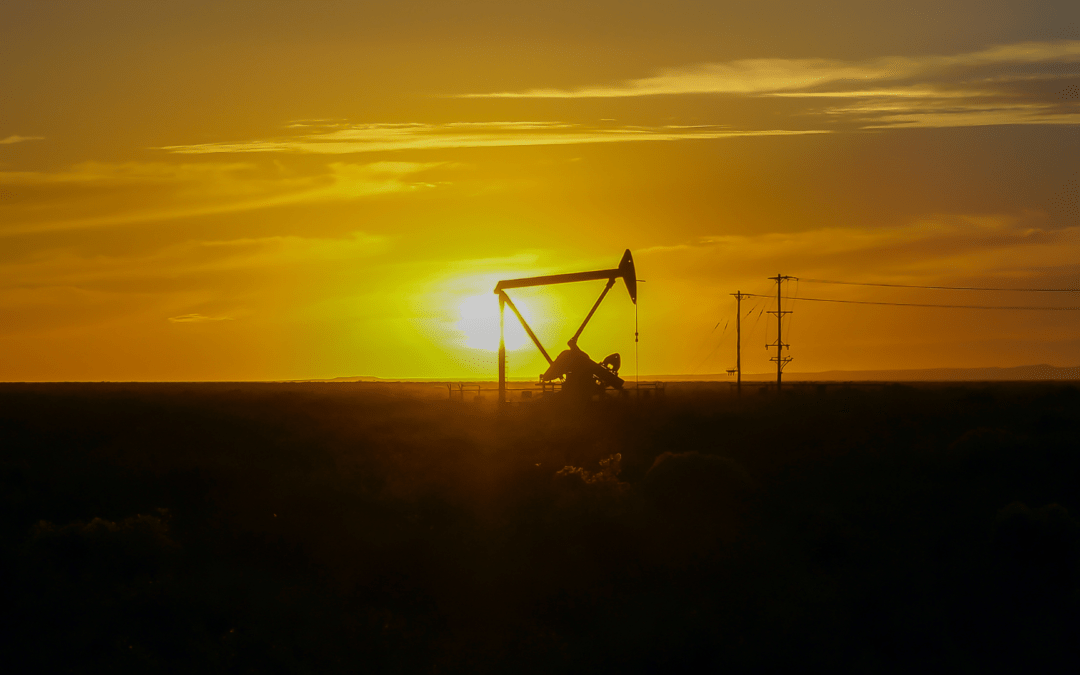
Oil prices are high, and company profits should be strong. By Alberta standards, this should feel like a boom. However, rising costs for both businesses and everyday life are cutting into what would traditionally fuel rapid expansion and hiring. For many employers and workers, it does not feel like a boom at all. Instead of rapid expansion, companies are taking a step back, they are hiring cautiously, and instead of workforce surges, already lean teams are being stretched even thinner. The predictable boom and bust cycle Alberta built its reputation on has shifted into something far less familiar. This is not the Alberta oil boom we remember.
The Alberta Oil Jobs Boom We Expected
For decades, the pattern was almost automatic. When oil prices climbed, projects ramped up quickly, hiring surged across technical, field, and corporate roles, companies competed aggressively for talent, and wages rose while unemployment dropped. A true boom did not just create jobs, it created entire ecosystems of employment. Engineers, geologists, field operators, project managers, trades, procurement teams, HR, and finance all expanded together, making growth visible, tangible, and fast.
The Alberta Oil Jobs Cycle We Knew
When conditions tightened, the response was just as predictable. Companies reduced costs by letting go of senior or higher cost employees, eliminating duplicate roles especially after mergers, and consolidating teams. Those who remained carried more responsibility, more tasks and KPIs which often led to burnout. Some left the industry entirely, some were drawn back in during the next upswing. Then the cycle repeated.
So Why Does This Not Feel Like an Alberta Oil Jobs Boom
Today, we are in a different kind of cycle where high oil prices are not translating into widespread hiring. Based on more than 30 years of tracking the relationship between barrel prices, pump prices, and hiring activity, this shift is unusual. It is not unprecedented, but it is clearly different. Several structural changes explain why.
1. Discipline Over Expansion
Energy companies are no longer chasing growth the way they once did. Instead of reinvesting heavily into large scale expansion, many are prioritizing shareholder returns, debt reduction, and operational efficiency. The result is strong financial performance without proportional workforce growth.
2. Leaner by Design
Over the past decade, companies have fundamentally restructured how they operate. There are fewer layers of management, roles now cover broader scopes, and there is increased reliance on automation and digital tools. Many roles that once scaled during a boom no longer exist at the same volume. We are seeing offices reducing physical office space, and looking into hybrid models that would for their budgets not nessisarily whats best for the people.
3. Lessons From the Last Downturn
The 2014 to 2016 crash and the volatility that followed left a lasting impact. Organizations that once expanded quickly are now more cautious. Hiring is slower and more deliberate, teams are designed to remain lean even in strong markets, and flexibility is prioritized over rapid growth. Companies remember what happens when the cycle turns and they are trying to stay on top of things even when business is booming.
4. A Shift Toward Flexible Talent
There is also a structural shift in how work gets done. Companies are increasingly relying on contractors and consultants, using project based hiring instead of permanent headcount, and operating with shorter hiring horizons. While this reduces long term risk for employers, it can feel unstable for candidates even when demand is strong.
5. Consolidation Has Reduced the Total Market
Mergers and acquisitions have reshaped the landscape, resulting in fewer companies overall. This means lower roles, smaller hiring pools, and more competition for a small pool of permanent positions. Even in a strong pricing environment, the total number of opportunities is lower than it once was.
6. Costs Are Reshaping the Alberta Oil Jobs Boom
Even where profits are strong, rising costs are offsetting potential growth. Employers are facing higher labour costs, increased prices for materials and services, and greater operating expenses overall. At the same time, employees are dealing with a higher cost of living, including housing, fuel, and everyday expenses, which drives expectations for higher wages. This creates pressure on both sides. Companies have less room to expand headcount, and workers do not always see the financial benefits they would expect in a strong market. In past booms, rising prices drove expansion, and increased bonus payouts but today rising costs are acting as a counterbalance, which is a key reason this does not feel like a traditional boom.
The Hidden Reality: This Is a Busy Market
While it does not feel like a boom, this is still a busy and competitive market. Many organizations are dealing with backlogged work, pressure on existing teams, targeted talent shortages, and increased counteroffers and poaching. However, demand is narrower and more specialized rather than broad based as it was in previous cycles.
What This Means for Employers
This environment creates a unique challenge. Even without rapid scaling, many companies are experiencing capacity strain, delays caused by unfilled roles, increased turnover risk, and difficulty finding highly specific skill sets. Waiting for conditions to normalize may seem appealing, but this is not a typical short term cycle. It is a structural shift. Employers who adapt will rethink how and when they hire, build stronger talent pipelines in advance, and balance lean operations with sustainable workloads.
What This Means for Candidates
For workers, the market can feel contradictory. High oil prices would normally signal more job opportunities, yet movement feels more difficult. The issue is not a lack of opportunity but a shift in where and how it appears. Success now often requires openness to contract or project based roles, a focus on developing specialized or transferable skills, and the ability to move quickly when the right opportunity arises.
A Different Kind of Cycle
Alberta’s economy remains closely tied to oil, but the industry’s response to price changes is evolving. This is not the boom of the past, but it is not a bust either. It represents something in between that is more efficient, more cautious, and more selective. Both employers and candidates need to adjust their approach accordingly. We are looking at a new way of doing things, a new normal for Oil and Gas companies.
Looking Ahead
After 30 years of observing this market and tracking the relationship between barrel prices, pump prices, and hiring patterns, it is clear that the signals still exist, but they no longer behave in the same way. Understanding this shift will be critical for anyone looking to succeed in the next phase of Alberta’s energy economy.
Learn more about our specialized oil and gas recruitment services.
Contact us today to discover how our expert recruitment, hiring, and payroll services can help elevate your business or explore our exciting career growth opportunities and transformative training programs. Whether you’re seeking your next role or your next rockstar employee, we’ve got you covered.